
The Crossroads Issue 32
Beyond the Lobby
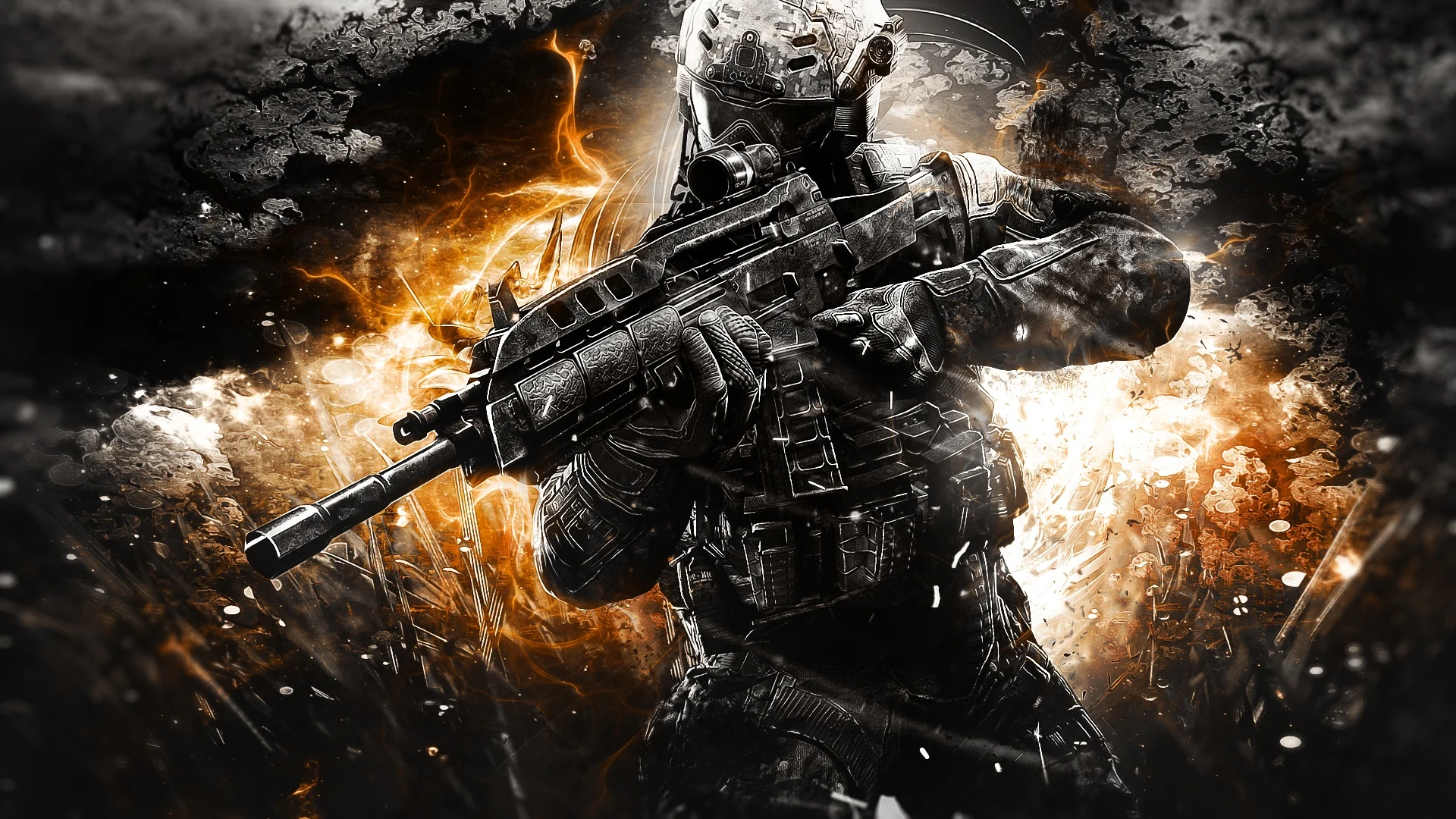
A digital world where millions come togethersome for a living, some for leisure, some for addiction, and some for peace. Deafening gunshots and unpredictable maps: the battleground isn't only found in massive PlayStation consoles or an expensive PC rig—it’s compressed into the palm of your hand, radiating heat, chaos, and adrenaline. Welcome to Call of Duty: Mobile. In a game where victory is decided in milliseconds, strategy isn't the only thing that backs you: it's the agile human reflexes that do their magic.
Every player has his own custom layout and style of gameplay, be it rushing to the enemy’s base in multiplayer, camping with a sniper in a hidden spot, or splitting within the squad in Battle Royale to avoid team wipeouts. A professional gamer spends at least 6-10 hours a day pushing his rank and stacking victories. Older generations love to warn us that gaming is just a mindless, addictive distraction, but fast-paced games like Call of Duty: Mobile actually give your brain a serious workout.
Constantly scanning small screens for tiny movements sharpens your spatial awareness and forces your mind to process information much faster than it normally would. A missed glare from a sniper’s scope can cost a match. Overlooking a fighter jet nearby can kill the entire squad. Neuroscience proves this isn’t just theory: In a landmark tracking test, action gamers completely outperformed non-gamers in hand-eye coordination, scoring an average of 293 compared to just 162 —marking a near 55% reduction in precision errors.
Adding to this, a University of Toronto study confirmed that playing fast-paced shooters like Call of Duty explicitly rewires the brain to absorb and master new real-world sensorimotor tasks drastically faster than the general population. Every tap of the finger is coordinated, and even the shadows are not left unseen. Gamers are known for their superhuman reflexes. But these sharp reflexes and rewired neural pathways are just the basic physical entry requirements.
The true value of this modern playground isn't measured in milliseconds or high scores; rather, it's about how it helps us grow, connect, and bounce back. When a player logs in, they aren't just escaping reality; they are entering an arena that demands immediate collaboration, emotional regulation under constant pressure, and a culture of constancy where failure is never a final defeat but a lesson. In a world that often isolates us, gaming has quietly become a shared community where global friendships are built.